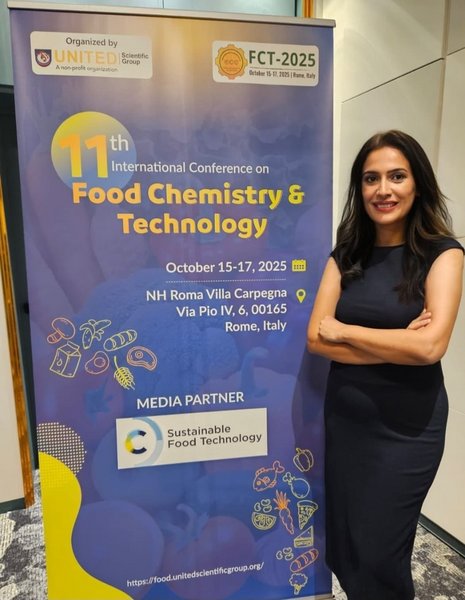
The presentation focused on cold extraction and maceration using water, methanol and ethanol, and on how these processing choices can alter biological responses. The results showed that water- and methanol-based fractions of black garlic had higher total phenolic and flavonoid contents, which was reflected in stronger antioxidant capacity. In contrast, some cold-extracted white garlic samples produced a more pronounced antiproliferative effect on Caco-2 cells after 24-48 hours of incubation. These findings highlight that the same plant material can lead to different, and sometimes opposite, biological effects depending on the solvent and extraction method applied.
This work is in line with the objectives of MedPlants4Vet (CA22109), which aims to collect reliable, comparable and practice-oriented information on herbal preparations used in companion and farm animals across Europe. Data on how processing influences bioactivity in garlic-derived products can support future species-specific assessments and the development of evidence-based veterinary applications.
Dr. Özalp Ünal's participation was supported by the MP4V Young Researcher and Innovator Conference Grant (YRICG), which promotes the visibility of young scientists at high-level international events and strengthens European collaboration on herbal veterinary medicine.
 tap and then scroll down to the Add to Home Screen command.