

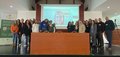
The training panel consisted of Prof. Michael Walkenhorst, Álvaro Fdez-Blanco B., Dr. Sophie Barreteau, Dr. Isabelle Lussot-Kervern, Prof. Lyndy McGaw, and a number of experts in the subject area from Portugal.
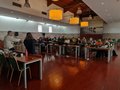
There were over 20 delegates in attendance from all over Europe from a variety of scientific areas, all united in their quest to embrace the challenge ahead and contribute to finding a solution to legislating for HMVP in Europe.
Michael started on the first day with an overview of the history of herbal veterinary medicine law in Europe as it currently is. Highlighting the opportunities that are developing within the area including a Masters in Veterinary Phytotherapy available in The University of Bologna, as well as ongoing international research under the umbrella of the Society for Medicinal Plants and Natural Product research. Find out more here: https://ga-society.org/activities/animal-health-network/
He outlined the challenges that are to the fore of Veterinary Medicine including parasitic and antimicrobial resistance, and the vital importance HVMP has as a first line treatment measure in disease prevention.
Historical and ethno veterinary aspects of human, animal and plant interactions is long, and there is consistency between recent use indications and historical literature.
A theatre performance with the group involving a coughing goat and Thymus vulgaris, really opened our minds to the reality of the challenges and requirements in relation to how plants can be made available for use in animal treatment and prevention, and how difficult it is to legislate for the safe, efficacious use of HMVP.
As soon as you buy something, there is some market regulation, the question is always about responsibility.
Review of the modern literature available in relation to clinical research highlights that the most promising plants at present include: Allium sativum L. Mentha x Piperita L., Salvia off, L., Althea Off., Thymus Vulgaris, Echinacea Purpurea, Camellia sinensis and Glycyrrhiza glabra L.
Álvaro continued with an overview of the work being carried out by MP4V WG3 of which he is leader. This group is working hard to gather information in relation to European tradition and the use of medicinal plants to control animal diseases, as well as the need for developing a standardized criteria for the term "traditional" for HVMP.
Álvaro presented module two outlining the history of medicinal plants in animals in Spain. He described literature going right back to the 15th century, and highlighted the need for a simplified registration system for veterinary medicinal products based on traditional herbal medicinal use.
In conclusion we need to use the knowledge we have to protect animals and ensure safety and quality of the products we use.
The second day began with module three covering EU legislation and perspective by Sophie who is Deputy Director, Head of scientific assessment for the French agency for VMP.
She described that if a herbal product/plant extract/essential oil has a therapeutic claim it is a Veterinary Medicine. At present there is no dedicated EU regulation for Vet herbal medicines. The main concern for the authorities in relation to VMP is safety first, followed by efficacy.
There are no specific committee or scientific guidelines in relation to herbal products for Veterinary Medicine in Europe. European Directive 2001 82 /EC covers veterinary medicinal products but only chemical, biological and homeopathic, not herbal.
The use of VMP outside the terms of the marketing authorisation is the Vet responsibility and is under the terms of the "Cascade".
Many of the herbal specialities used in Vet med are currently covered under "complementary foodstuffs" as they are sold with no therapeutic allegation.
The ultimate aim is for the commission to put together simplified legislation around HVMP in order to ensure, firstly safety and secondly efficacy in relation to the use of HVMP. This can be based on well-established use as well as newer clinical research.
Sophie highlighted like Michael that HVMP could provide potential alternatives to tackle the current antimicrobial and anthelmintic resistant issues, in that they are valuable in preventative medicine. However currently there is no guarantee in relation to safety and efficacy of the medicinal plants we can use in animals.
Module four presented by Isabelle covered the use of HVMP from a practitioner's perspective. As a Vet in practice using herbs on a daily basis with both companion animals and horses she discussed first-hand the challenges and highlights in relation to using herbs in the field.
Isabelle is highly motivated by the need to "Put the Vet back into Herbal Medicine" and has been instrumental in the development of RéPAAS, a veterinary phytotherapy network. More information can be found at: https://www.repaas.org/
The afternoon of day two was let by Prof. Lyndy McGaw on zoom. Lyndy is based in the University of Pretoria, South Africa and she gave an Introduction to the South African legal system, giving a perspective from a non-EU country on VMP. She highlighted the importance of "One Health", finding common ground, sharing knowledge and finding a solution to the issues around safe HVMP use. In her opinion a holistic team really is needed in order to ensure quality, safety and efficacy of herbal products and the best all round solution to legislative issues.
Experts in the area from the Portugal joined the group in person to discuss the legal framework in Portugal and offer support in relation to discussion of the group's individual presentations.
Santarém is a reference city for agriculture and animal production in Portugal, historically rooted in livestock systems and veterinary knowledge, and a natural setting for advancing expertise in herbal veterinary medicinal plants.
The final day of the Training was action packed as each participant presented a case study collected from farmers, research, or clinical practice. The variety of presentations provided a vast learning experience and sparked further ideas to be explored.
A sample of the presentations included:
Successful traditional herbal remedy use in chickens in Albania. Use of wine making by-product as a disease preventative in broilers. Apple cider vinegar to support treatment of mastitis in a Holstein Cow. Garlic and it's anti-biotic and immunomodulatory effect for prophylaxis in pigs and broilers. Mullein use in a cow with oral lesions. As well as presentations on some of the nutraceutical products available and how they are used in clinical practice to support a variety of chronic health conditions like feline urinary tract disease, anxiety and arthritis in animals throughout the Europe.
The training course provided an excellent environment to open up questions and explore solutions to the current situation around legislation and HVMP use. One of the recurring themes was "How do we dissolve the border between food supplements and medicine?"
In conclusion this WG1 and WG6 (dissemination and interaction) collaboration was very much a success both from the information shared and the personal connections made.
 tap and then scroll down to the Add to Home Screen command.