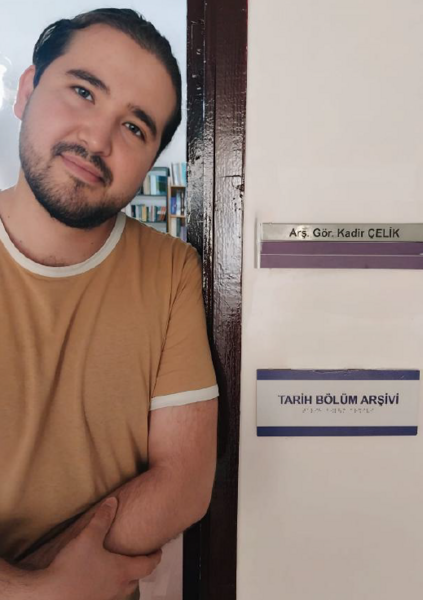
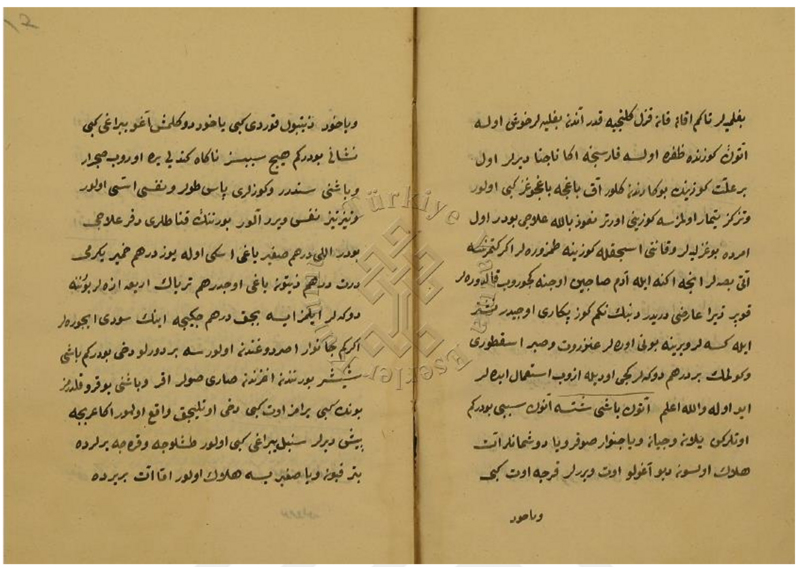
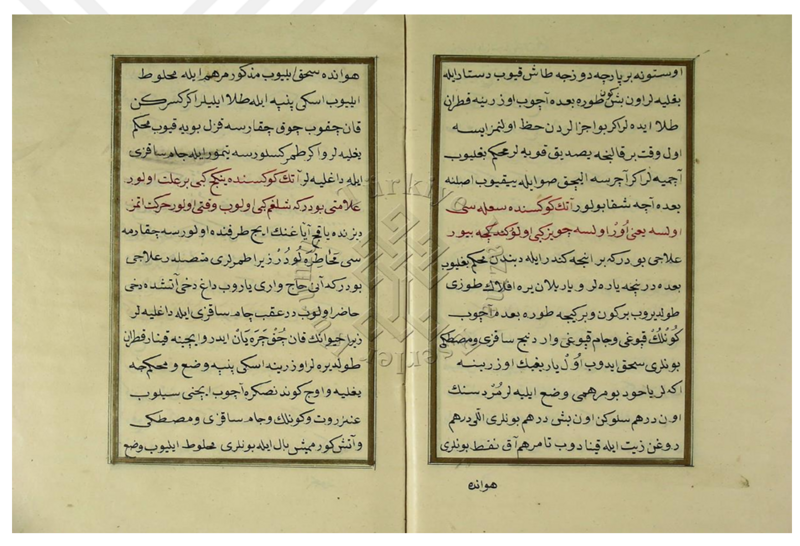
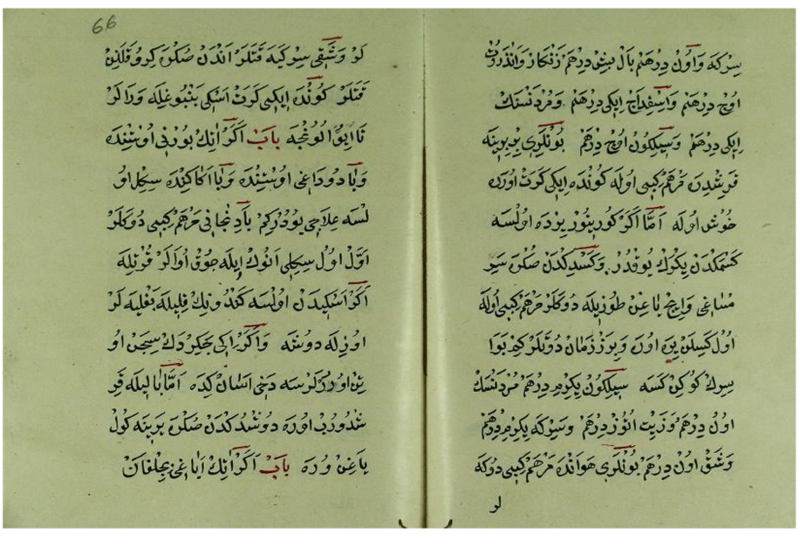

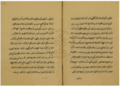
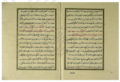
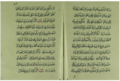
The Virtual Mobility enabled Kadir Çelik to engage with Ottoman Baytarnāma manuscripts, important historical sources on horse care and veterinary practice. These texts describe equine behaviour, physical traits, and many health problems seen in the past.
To trace the use of herbal remedies, Kadir analysed a substantial body of scholarly work on these manuscripts, including theses and dissertations by Mustafa Ak (2008), Lale Yeşilova (2009), Nilay Geyikoğlu (2010), Esra Malçok (2015), Beste Küçükkaya (2016), Amine Şirin Hasret (2019), Nur Melik Peker (2019), Elif Tambulut (2021), Kadhim Esam Noori (2022), and Esma Küçük (2023), as well as the 2024 study by Akif Taş and Mesut Şen on plant names and empirical treatments in an early Anatolian Turkish Baytarnāme. Drawing on this corpus, he documented more than 200 plant-based materials and over 400 treatment records. The plants appeared in various forms – roots, flowers, fruits, or resins – and remedies were administered either as simple preparations or as mixtures. They were commonly prepared as water decoctions or extracts using vinegar or wine.
The manuscripts present treatments for everyday and complex conditions. They include remedies for wounds and burns, as well as approaches for urological, gynaecological, metabolic, cardiological, and infectious diseases in horses. This range shows the practical and holistic nature of Ottoman veterinary knowledge.
The collected material supports the MedPlants4Vet database and broadens the historical understanding of herbal veterinary practices recorded in ten Baytarnāma manuals.
 tippen und dann zum Befehl zum Home-Bildschirm hinzufügen nach unten scrollen.